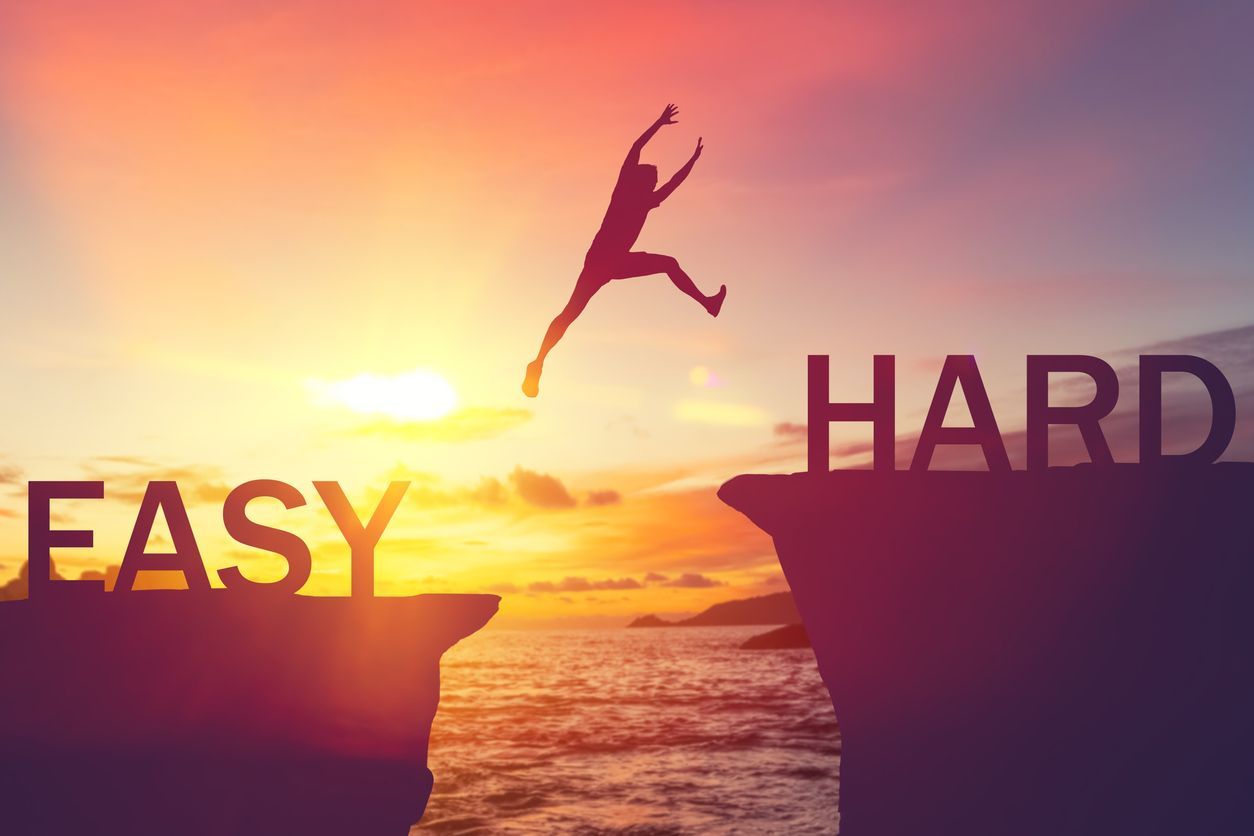
Change feels hard because everything in us was trained to resist it.
I know this because I lived most of my life doing exactly what I was taught to do — even when it made me miserable. I was socialized early to believe I wasn’t in control of my life. If an adult told me something, I believed it. If authority figures said “this is just how it is,” I hunkered down and accepted it. I didn’t know any better.
What I didn’t realize at the time was that those beliefs quietly ran my life for decades.
Change feels hard because we don’t just change habits — we have to challenge the lies we were taught about ourselves. I was raised to believe some people are lucky or blessed and others are destined to struggle. Since the people around me felt like they were on the “destined to struggle” side, I assumed successful, confident people were somehow better than me. That belief followed me into jobs, relationships, and friendships where I constantly felt inferior and over-accommodating.
So when the desire to change finally shows up, it doesn’t arrive gently. It threatens the entire identity you’ve been operating from.
Another reason change feels hard is because fear disguises itself as responsibility. I stayed in jobs I loathed because I thought that was what adults did. I tolerated unhealthy relationships because I didn’t trust myself enough to walk away. I said yes when I wanted to say no because I thought being agreeable made me safe. People-pleasing nearly robbed me of my peace — and eventually, my health.
And yes, health is part of this conversation. By my early twenties, my blood pressure was already dangerously high, and my lifelong struggle with obesity was in full force. Years of feeling bad — emotionally and mentally — manifested physically. I learned the hard way that staying in toxic environments doesn’t just drain your energy; it makes you sick. Change feels hard because your body knows the truth long before your mind catches up.
Saying no was one of the hardest changes I ever made. I was a fully rehabilitated people-pleaser, and letting go of that identity felt terrifying at first. But here’s what I know now: saying no isn’t rude. It’s protective. If someone treats you poorly because you set a boundary, that’s information — not a failure on your part.
Change also feels hard because it forces you to stop conforming. Conforming is fear-based living. Every time I reluctantly conformed just to survive, it felt like I cut off my own air supply. Nothing good ever came from it. Refusing to conform went against everything I was taught, but it was the beginning of my freedom.
What I’ve learned is this: change feels hard because it asks you to trust yourself instead of the conditioning. It asks you to listen to your intuition instead of outside noise. It asks you to believe you have power — even if no one ever told you that you did.
But on the other side of change is peace. And peace is worth everything.